
By Kushal Magar · September 26, 2026 · 13 min read
What Are the Best Sales Engagement Platforms for B2B Teams: Ranked for 2026
If you're asking what are the best sales engagement platforms for B2B teams, the honest answer depends on what's actually breaking in your pipeline — sequencing volume, multichannel coverage, or the contact data feeding every sequence in the first place.
Every "top sales engagement platforms" roundup ranks roughly the same six or seven names in a different order, without addressing the bottleneck most B2B teams hit first: a meaningful share of sequences send to a bad email address or a contact who changed jobs six months ago.
We compared 9 platforms — enterprise sequencers like Outreach and Salesloft, data-heavy suites like ZoomInfo SalesOS, mid-market picks like Apollo, HubSpot Sales Hub, Instantly, Lemlist, and Klenty, and SyncGTM as a data-first entrant — on pricing, multichannel coverage, deliverability, and how much of the contact data problem each one actually solves. See the full SyncGTM comparison page for how it stacks up against individual competitors.
None of the platforms below are wrong picks. The right one depends on whether your team needs a sequencer that assumes clean data is already handled somewhere else, or a platform that builds the data layer in from the start.
Quick Summary
The best sales engagement platforms for B2B teams in 2026 split into three groups: enterprise sequencers (Outreach, Salesloft, ZoomInfo SalesOS) built for large RevOps teams with big budgets and dedicated admins; mid-market and SMB tools (Apollo, HubSpot Sales Hub, Instantly, Lemlist, Klenty) priced for smaller teams that need sequencing without an enterprise contract; and data-first platforms like SyncGTM, which pair waterfall contact enrichment and buying-signal triggers directly with multichannel sequencing instead of assuming a CRM record is already accurate. Most platforms on this list solve sequencing well and leave data accuracy for you to fix with a separate tool — that gap is the main thing worth weighing before picking one.
TL;DR
- SyncGTM — Best data-first pick. Waterfall enrichment and buying-signal triggers built directly into multichannel sequencing.
- Outreach — Best for enterprise RevOps teams that need the deepest sequence-level analytics.
- Salesloft — Best for teams that want cadence management and Clari revenue forecasting in one platform.
- Apollo — Best for SMB teams that want a contact database and sequencing bundled together.
- HubSpot Sales Hub — Best for teams already on HubSpot CRM that want engagement built in natively.
- Instantly — Best for cold-email-focused SDR teams running high-volume outbound.
- Lemlist — Best for personalization at scale across email and LinkedIn.
- ZoomInfo SalesOS — Best for enterprise teams that want data, intent signals, and engagement in one suite.
- Klenty — Best for mid-market teams that want deliverability-first sequencing with native CRM sync.
What We Evaluated
- Data accuracy — whether contact and company records stay current inside the platform, or it depends entirely on a CRM you already have to keep clean
- Multichannel coverage — email, phone, and LinkedIn sequencing in one workflow versus an email-only tool
- Pricing transparency — published self-serve pricing versus custom, enterprise-only contracts
- Deliverability infrastructure — inbox warm-up, sending rotation, and email health monitoring built in
- Integration depth — native CRM sync and how much setup work a rep needs before sending a sequence
1. SyncGTM — Data-first pick among the best sales engagement platforms for B2B teams
SyncGTM — Data-first pick among the best sales engagement platforms for B2B teams
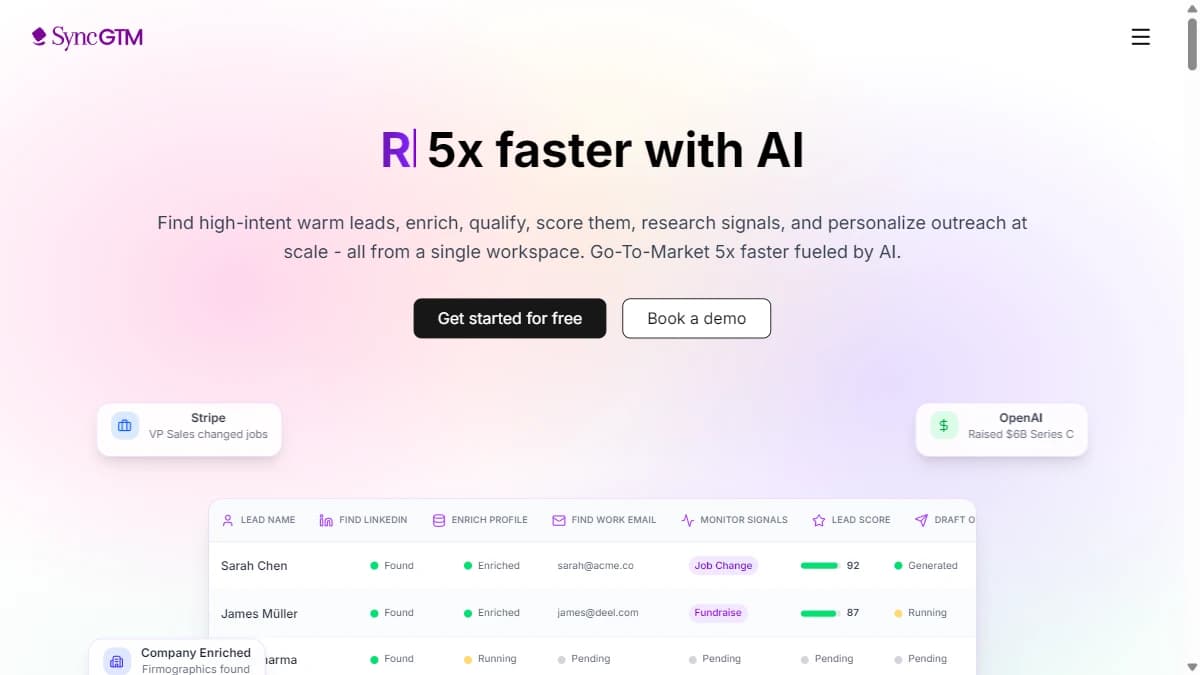
SyncGTM pairs sales engagement with a waterfall enrichment engine, so every sequence sends to a verified email and a current job title instead of a stale CRM record.
It combines buying-signal triggers — funding events, hiring surges, promotions, tech-stack changes — with multichannel sequencing across email, LinkedIn, and phone, so reps engage an account when it's actually in-market instead of running a static cadence on a fixed schedule. Automation runs through the GTM agent library, and a ready-made outreach sequence template gets a first campaign live the same day.
Most sales engagement platforms assume your contact data is already clean and someone else is maintaining it. SyncGTM starts from the data layer and builds engagement on top of that — which is the gap every other platform on this list leaves open.
Pros
- +Waterfall enrichment from 50+ providers built into every sequence, not a bolt-on integration
- +Buying-signal triggers (funding, hiring, tech-stack changes) start sequences automatically
- +One subscription covers data, signals, and multichannel outreach instead of stitching three tools together
Cons
- −Newer platform than Outreach or Salesloft, so the sequence-analytics library is still growing
- −Teams that only want a plain sequencer with no data layer may not need the full stack
Best for: Data-first pick among the best sales engagement platforms for B2B teams
Pricing: Free tier available. Paid plans scale with contact volume and enrichment credits.
2. Outreach — Enterprise RevOps teams that need the deepest sequence analytics
Outreach — Enterprise RevOps teams that need the deepest sequence analytics
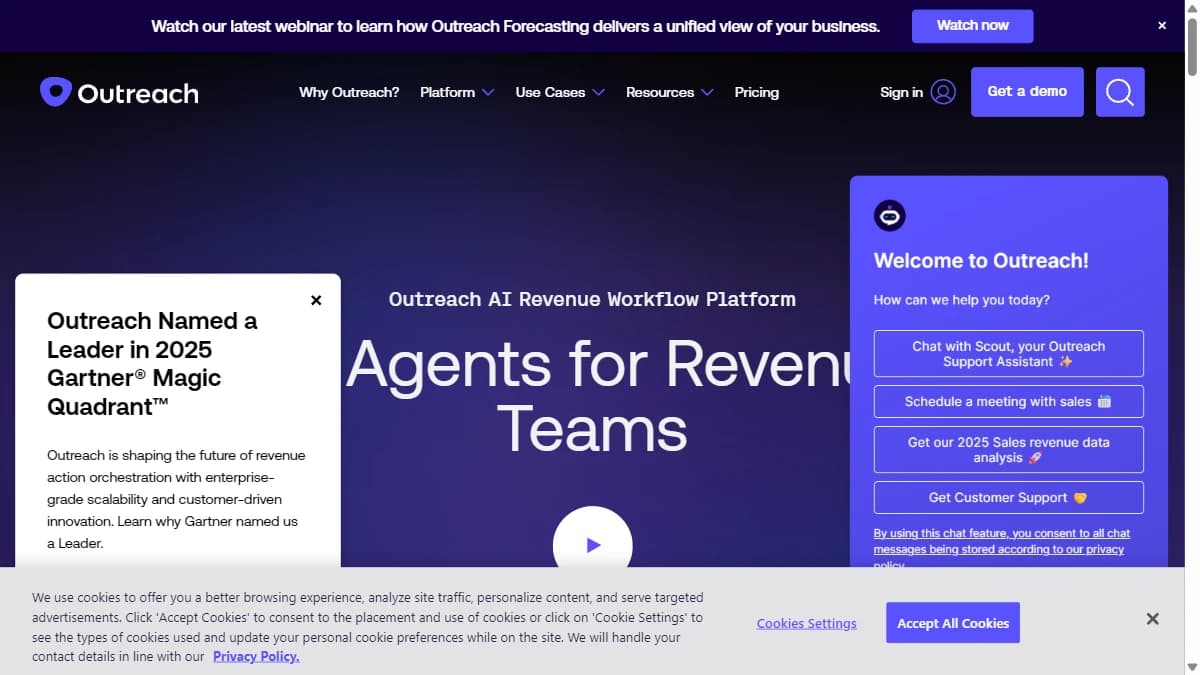
Outreach is the enterprise standard for sequencing, with the deepest sequence-level analytics of any platform in this comparison.
It tracks performance down to the individual step and integrates tightly with Salesforce and HubSpot, which is why large RevOps teams standardize on it for forecasting and pipeline visibility.
The tradeoff is complexity — new reps need real ramp time before running sequences confidently, and pricing is built for teams that can absorb an enterprise contract.
Pros
- +Deepest sequence-level analytics and reporting of any platform here
- +Strong Salesforce and HubSpot integration
- +Mature enterprise support and onboarding infrastructure
Cons
- −Enterprise pricing, not built for SMB budgets
- −Steep learning curve for new reps
- −Contact data accuracy still depends on a separate source
Best for: Enterprise RevOps teams that need the deepest sequence analytics
Pricing: Custom enterprise pricing. No published self-serve tier.
3. Salesloft — Teams that want engagement and revenue forecasting in one platform
Salesloft — Teams that want engagement and revenue forecasting in one platform
Salesloft merged with Clari in 2024, combining cadence management with revenue intelligence and forecasting in one platform.
That makes it a strong fit for teams that want engagement, conversation intelligence, and pipeline forecasting under one roof instead of three separate contracts and logins.
Implementation takes longer than a standalone sequencer, since rollout covers cadence, call intelligence, and forecasting workflows at the same time.
Pros
- +Cadence management plus Clari revenue intelligence in one platform
- +Strong conversation intelligence for call coaching
- +Good fit for teams consolidating engagement and forecasting tools
Cons
- −Longer implementation than a standalone sequencer
- −Custom pricing makes budget planning harder upfront
Best for: Teams that want engagement and revenue forecasting in one platform
Pricing: Custom pricing based on seats and modules.
4. Apollo — SMB teams that want prospecting data and sequencing bundled together
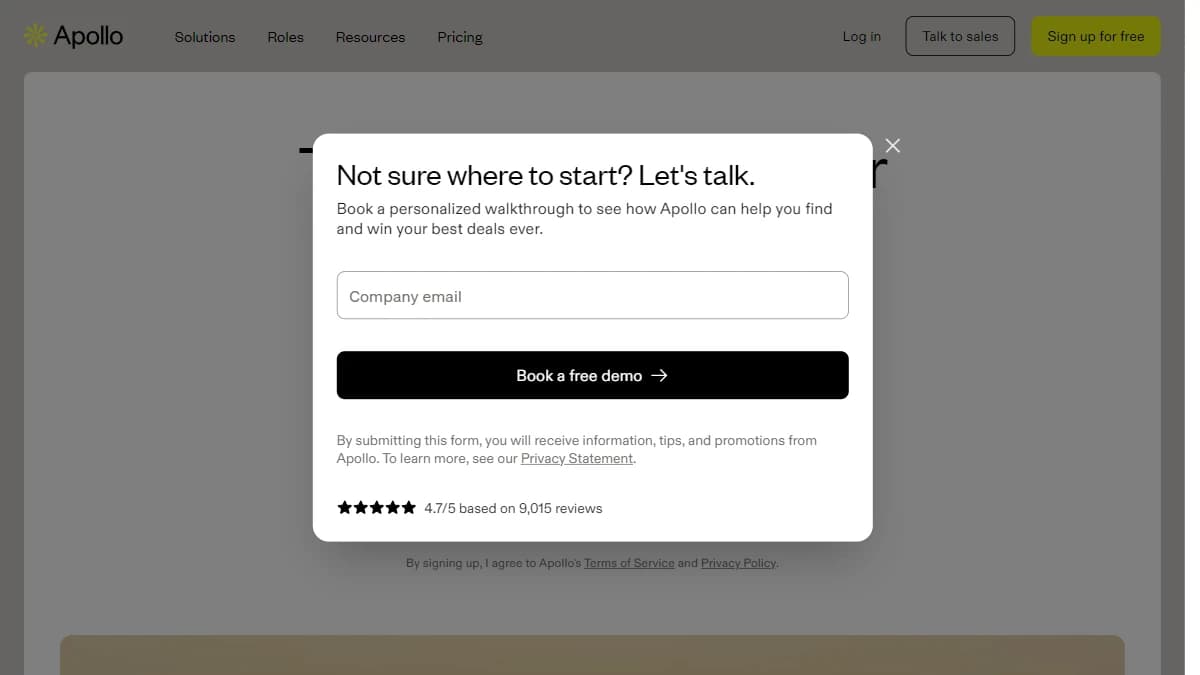
Apollo — SMB teams that want prospecting data and sequencing bundled together
Apollo pairs a large self-serve contact database with lightweight sequencing, which is why it's the default pick for early-stage and SMB teams.
Prospecting and sequencing live in the same interface, so reps build lists and launch outreach without switching tools mid-workflow.
Data accuracy is the most common complaint — contact records skew toward common B2B titles and can lag on smaller or newer companies.
Pros
- +Contact database and sequencing bundled in one product
- +Accessible pricing for SMB and early-stage teams
- +Chrome extension speeds up manual prospecting
Cons
- −Data accuracy lags dedicated enrichment providers on smaller companies
- −Sequencing features are lighter than dedicated engagement platforms
Best for: SMB teams that want prospecting data and sequencing bundled together
Pricing: Free tier available. Paid plans start around $49/mo per user.
5. HubSpot Sales Hub — Teams already on HubSpot CRM that want engagement built in
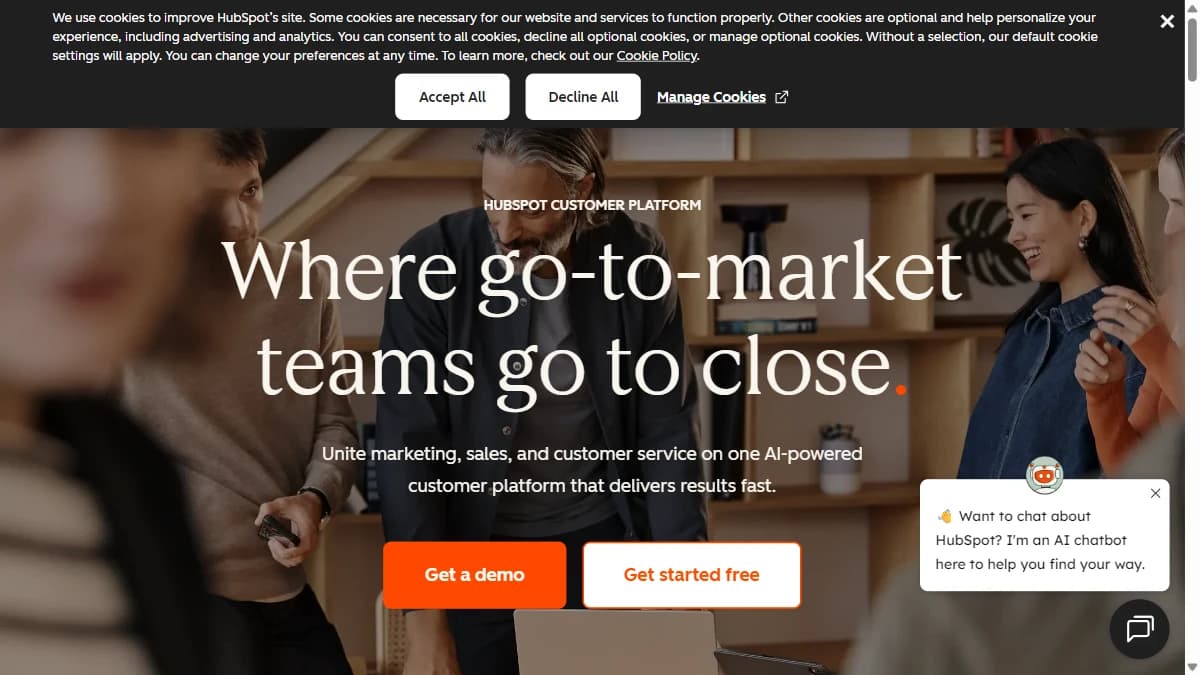
HubSpot Sales Hub — Teams already on HubSpot CRM that want engagement built in
HubSpot Sales Hub is the natural pick for teams already running HubSpot CRM, since sequences, deals, and contact records live in the same system.
Sequencing is lighter than dedicated engagement platforms, but native CRM sync removes the integration work most other tools on this list require.
It works best as an all-in-one CRM plus a lightweight engagement layer, not as a replacement for a dedicated sequencing platform at scale.
Pros
- +Native CRM sync — no integration setup required
- +Bundles marketing, service, and sales data in one system
- +Predictable, published pricing tiers
Cons
- −Sequencing and cadence features are lighter than dedicated platforms
- −Advanced automation locks behind higher-tier plans
Best for: Teams already on HubSpot CRM that want engagement built in
Pricing: Starts free. Paid tiers from roughly $20/mo per seat, scaling with add-ons.
6. Instantly — Cold-email-focused SDR teams running high-volume outbound
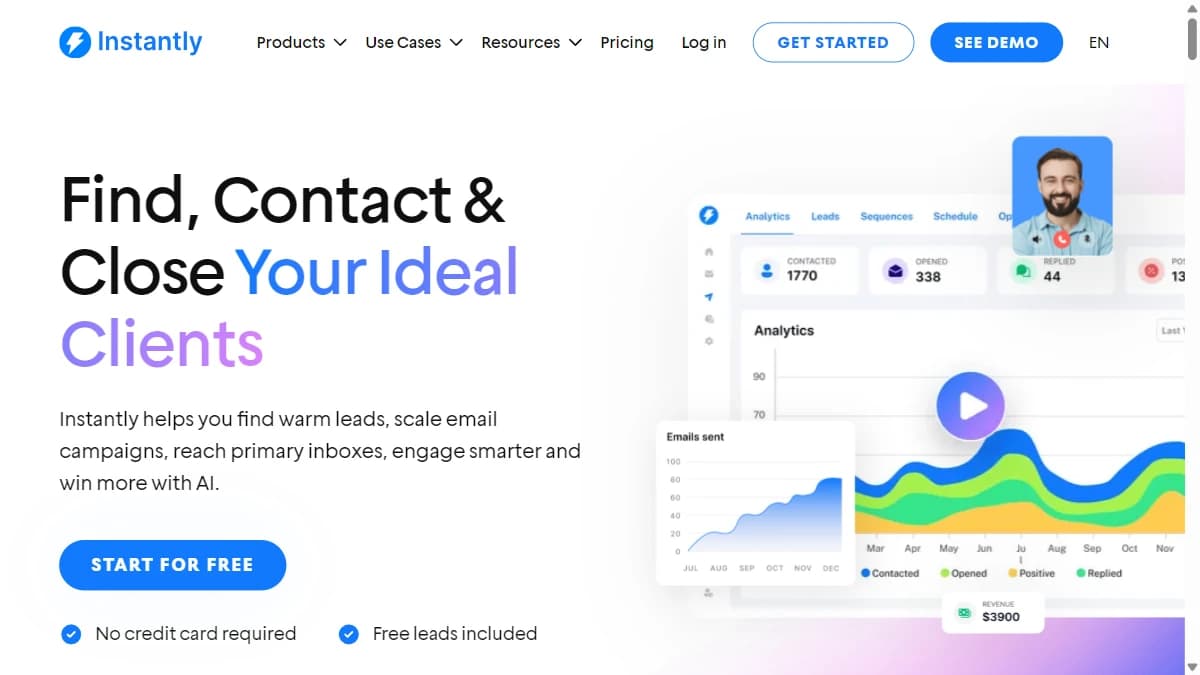
Instantly — Cold-email-focused SDR teams running high-volume outbound
Instantly is built for high-volume cold email, with unlimited email account warm-up and sending infrastructure baked in.
SDR teams running high-volume outbound use it to rotate sending across many inboxes without tripping spam filters or damaging domain reputation.
It's cold-email-first — phone and LinkedIn touchpoints aren't part of the core product the way they are in a full multichannel platform.
Pros
- +Unlimited email accounts and warm-up on most plans
- +Built for high sending volume without deliverability drop-off
- +Straightforward, affordable pricing
Cons
- −Email-only — no native phone or LinkedIn sequencing
- −Less useful once a team needs multichannel orchestration
Best for: Cold-email-focused SDR teams running high-volume outbound
Pricing: Plans start around $30/mo.
7. Lemlist — Teams that want personalization at scale across email and LinkedIn
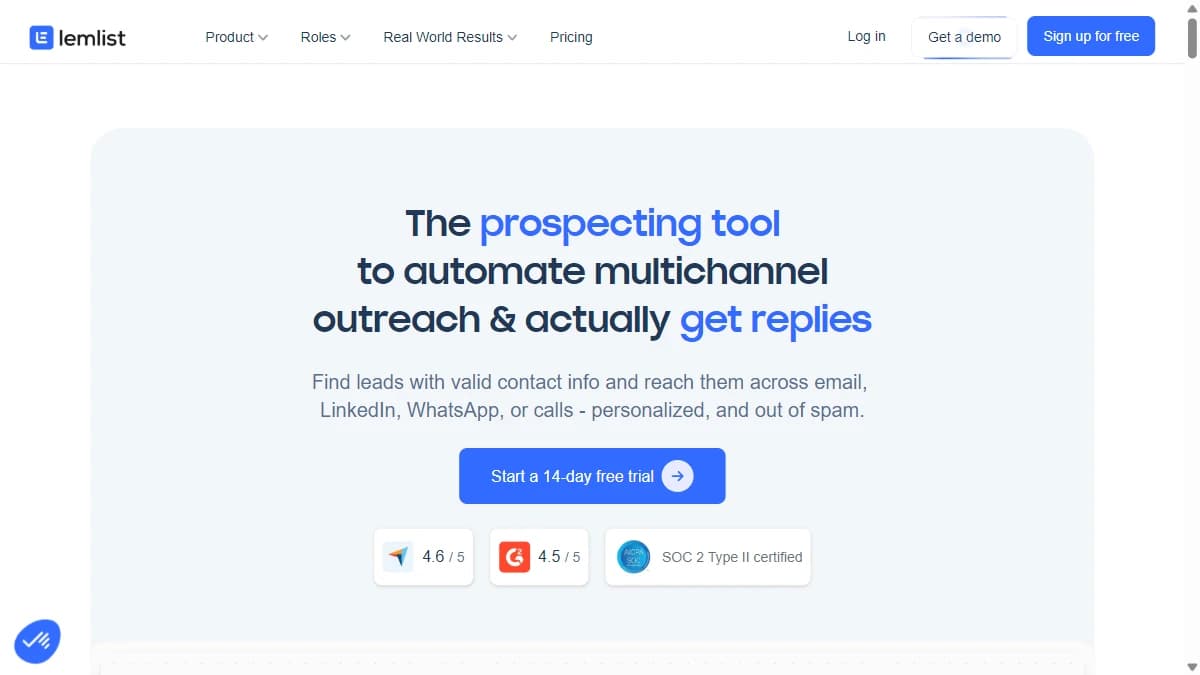
Lemlist — Teams that want personalization at scale across email and LinkedIn
Lemlist focuses on personalization at scale — dynamic images, video, and liquid-syntax personalization inside cold sequences.
It layers LinkedIn automation in alongside email, which puts it closer to a true multichannel tool than an email-only sender.
Deliverability tooling is solid but not as purpose-built for extreme volume as a dedicated cold-email infrastructure platform.
Pros
- +Strong personalization tooling — dynamic images and video inside sequences
- +Combines email and LinkedIn automation in one workflow
- +Built-in deliverability and warm-up features
Cons
- −Less enterprise-ready than Outreach or Salesloft
- −Personalization features add setup time per sequence
Best for: Teams that want personalization at scale across email and LinkedIn
Pricing: Plans start around $39/mo per user.
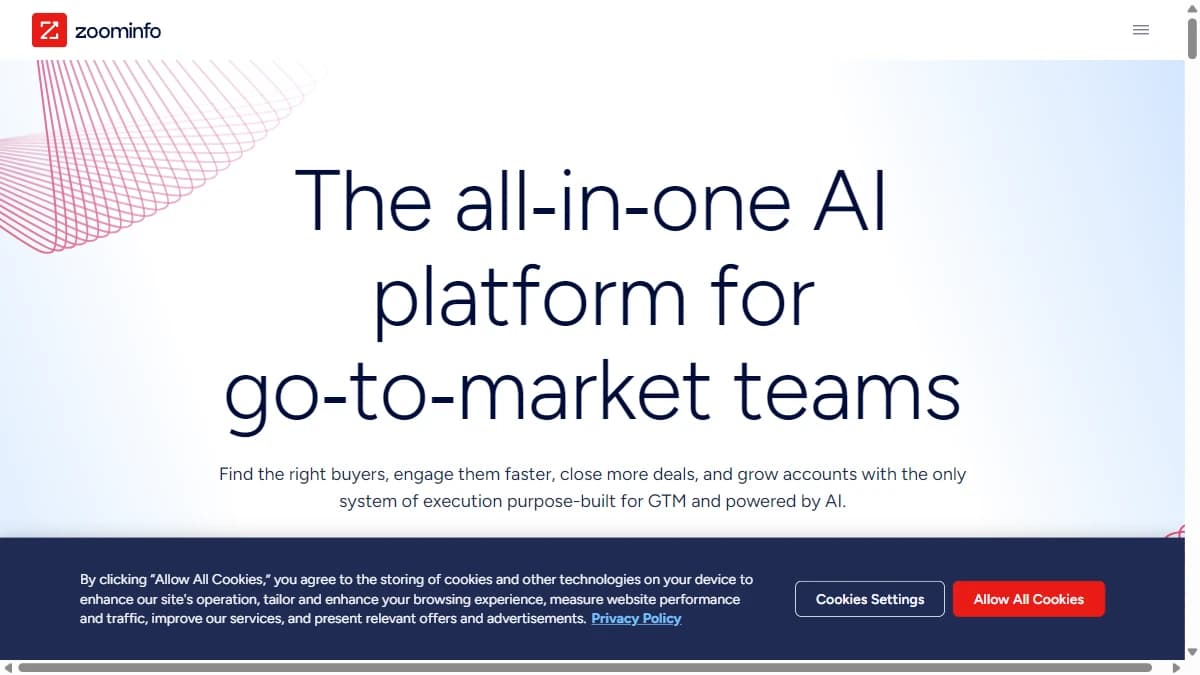
8. ZoomInfo SalesOS — Enterprise teams that want data, intent, and engagement in one suite
ZoomInfo SalesOS — Enterprise teams that want data, intent, and engagement in one suite
ZoomInfo SalesOS pairs one of the largest B2B contact databases with intent data, org charts, and engagement tooling in one enterprise suite.
Intent signals flag accounts actively researching a category, which large teams use to prioritize outbound before a rep ever opens a sequence.
Contracts are enterprise-scale and typically annual, which puts it out of reach for smaller teams testing a sales engagement motion.
Pros
- +Large B2B contact database with intent data layered in
- +Org chart and account mapping built in
- +Strong for enterprise ABM and territory planning
Cons
- −Enterprise pricing and annual contracts
- −Overkill for small teams that just need a sequencer
Best for: Enterprise teams that want data, intent, and engagement in one suite
Pricing: Custom enterprise pricing, typically annual contracts.
9. Klenty — Mid-market teams that want deliverability-first sequencing with CRM sync

Klenty — Mid-market teams that want deliverability-first sequencing with CRM sync
Klenty focuses on deliverability-first sequencing with native bi-directional CRM sync, which keeps sequence status and CRM records aligned without manual updates.
Multichannel cadences cover email, call, and LinkedIn tasks, and built-in email health monitoring flags deliverability issues before a sequence stalls.
It's priced for mid-market teams that want engagement automation without signing an enterprise contract.
Pros
- +Bi-directional CRM sync keeps records and sequences aligned
- +Deliverability and inbox health monitoring built in
- +Mid-market pricing, not enterprise-only
Cons
- −Smaller ecosystem and integration library than Outreach or Salesloft
- −Less brand recognition, so fewer public benchmark reviews
Best for: Mid-market teams that want deliverability-first sequencing with CRM sync
Pricing: Plans start around $50/mo per user.
Comparison Table
| Tool | Best For | Free Tier | Starting Price | Standout Feature |
|---|---|---|---|---|
| SyncGTM | Data-first pick among the best sales engagement platforms for B2B teams | Yes | Free to start | Only platform in this comparison that enriches contacts and triggers sequences from live buying signals |
| Outreach | Enterprise RevOps teams that need the deepest sequence analytics | No | Custom (enterprise) | Most mature analytics and reporting layer of any sales engagement platform on the market |
| Salesloft | Teams that want engagement and revenue forecasting in one platform | No | Custom | Only platform in this comparison bundling cadence management with Clari revenue forecasting |
| Apollo | SMB teams that want prospecting data and sequencing bundled together | Yes | ~$49/mo per user | Largest self-serve contact database bundled directly with sequencing |
| HubSpot Sales Hub | Teams already on HubSpot CRM that want engagement built in | Yes | ~$20/mo per seat | Zero-setup native sync with HubSpot CRM and marketing data |
| Instantly | Cold-email-focused SDR teams running high-volume outbound | No (trial available) | ~$30/mo | Deliverability infrastructure purpose-built for high-volume cold email |
| Lemlist | Teams that want personalization at scale across email and LinkedIn | No (trial available) | ~$39/mo per user | Deepest personalization tooling — dynamic images and video — in this comparison |
| ZoomInfo SalesOS | Enterprise teams that want data, intent, and engagement in one suite | No | Custom (enterprise) | Intent data layered directly onto contact and org-chart data |
| Klenty | Mid-market teams that want deliverability-first sequencing with CRM sync | No (trial available) | ~$50/mo per user | Deliverability-first sequencing with native bi-directional CRM sync |
How to Choose
- SyncGTM if you need data-first pick among the best sales engagement platforms for b2b teams
- Outreach if you need enterprise revops teams that need the deepest sequence analytics
- Salesloft if you need teams that want engagement and revenue forecasting in one platform
- Apollo if you need smb teams that want prospecting data and sequencing bundled together
- HubSpot Sales Hub if you need teams already on hubspot crm that want engagement built in
- Instantly if you need cold-email-focused sdr teams running high-volume outbound
- Lemlist if you need teams that want personalization at scale across email and linkedin
- ZoomInfo SalesOS if you need enterprise teams that want data, intent, and engagement in one suite
- Klenty if you need mid-market teams that want deliverability-first sequencing with crm sync